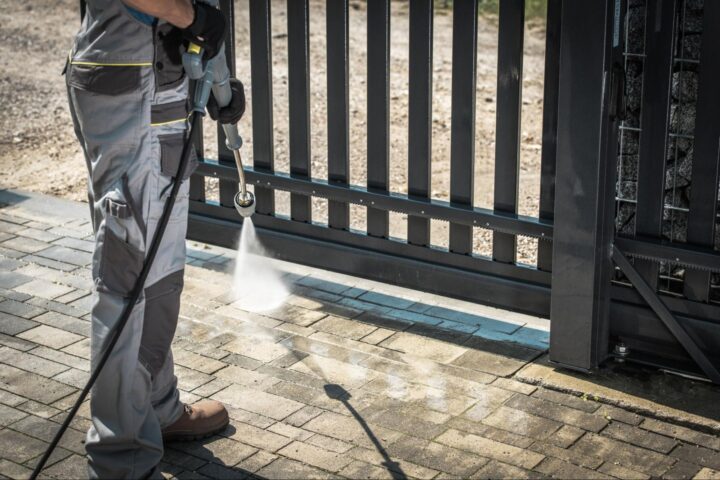
Regular pressure washing is one of the fastest ways to keep your home’s exterior looking well-maintained. Below, we walk through practical, damage-free techniques for different surfaces so you can remove dirt, mold, and grime the right way. You’ll learn when to use hot water versus soft washing, essential safety steps, and how routine cleaning helps protect and add value to your property.
Best Pressure Washing Techniques for Every Home Surface
Every exterior surface needs a tailored approach. Using the wrong pressure, nozzle, or cleaner can cause damage, so understand the right techniques for the surfaces around your home.
How to Pressure Wash Concrete Driveways and Patios Safely and Effectively
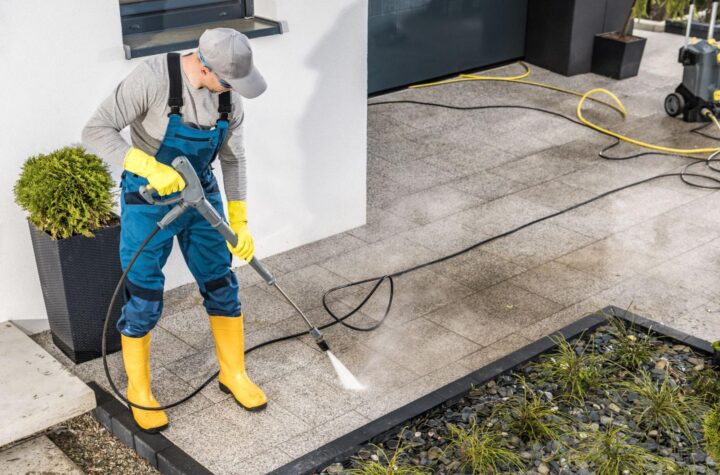
Concrete driveways and patios are tough, but they collect oil, dirt, and stains over time. Use these steps to clean them thoroughly without overdoing it:
- Select the Right Nozzle: Start with a 25-degree nozzle for general cleaning and switch to a 15-degree nozzle for stubborn spots.
- Adjust the Pressure: For concrete, set your machine to around 2500–3000 PSI to strip away ingrained dirt and stains.
- Use Detergent: Apply a concrete cleaner to break down grease and set-in stains, then rinse with the pressure washer.
Always wear safety gear, including goggles and gloves, which are a must, and never hold the nozzle too close to the surface to avoid etching the concrete.
Best Soft Washing Methods for Vinyl and Stucco Siding
Soft washing uses low pressure and effective, eco-friendly detergents to safely clean delicate siding. It’s the go-to for vinyl and stucco when you want results without risking damage. Our recommended approach:
- Choose the Right Detergent: Use a biodegradable cleaner formulated for soft washing to protect siding and landscaping.
- Set the Pressure: Keep pressure under 1500 PSI to avoid surface damage.
- Apply with a Wide Spray: A fan spray nozzle helps distribute detergent evenly and reduces streaking.
Soft washing not only cleans, it also helps control mold and mildew growth so your siding stays healthier longer.
How Hot Water Pressure Washing Improves Cleaning Results

Hot water pressure washing ramps up cleaning power. Heat helps break down grease and embedded grime faster than cold water, which makes it especially useful for certain tough jobs.
When to Use Hot Water Pressure Washing for Stubborn Stains
Hot water is especially effective for:
- Grease and Oil: Perfect for driveways and garage areas with oil stains.
- Mold and Mildew: Heat helps kill spores and, when paired with the right detergent, reduces regrowth.
- Heavy Dirt Accumulation: For surfaces that haven’t been cleaned in a long time, hot water penetrates and loosens compacted grime.
Temperatures in the 140–200°F range often deliver noticeably better results on these tougher jobs.
Pressure Washing Safety and Equipment Best Practices
Safety and the right equipment choices are key. Follow these guidelines to protect yourself, your property, and your results.
How to Select the Right Nozzle and PSI for Each Surface Type
Matching nozzle angle and PSI to the surface prevents damage while delivering a thorough clean. A quick guide:
- Concrete: 15-degree nozzle, 2500–3000 PSI
- Vinyl Siding: 25-degree nozzle, 1300–1500 PSI
- Wood Decks: 40-degree nozzle, 500–1200 PSI
Use these combos as starting points and adjust them for the material’s age and condition.
Essential Safety Tips for Effective, Damage-Free Pressure Washing
Keep these practical safety steps in mind:
- Wear Protective Gear: Goggles, gloves, and non-slip shoes protect you from spray and chemicals.
- Check for Hazards: Scan the work area for electrical lines, fragile trim, and breakable items before you start.
- Maintain a Safe Distance: Hold the nozzle roughly 12–18 inches from surfaces to prevent gouging or etching.
Following these tips helps you avoid accidents and keep surfaces intact.
How Pressure Washing Boosts Your Home’s Value and Curb Appeal
Regular exterior cleaning makes a significant visual impact and signals good maintenance, both of which can raise curb appeal and market value.
Health Benefits of Removing Mold, Algae, and Mildew
Cleaning away organic growth has practical benefits:
- Improved Air Quality: Eliminating mold and mildew reduces allergens and can ease respiratory irritation.
- Prevents Structural Damage: Regular cleaning prevents moisture from becoming trapped and degrading materials.
- Better First Impressions: A clean exterior makes your home more inviting and market-ready.
How Regular Exterior Cleaning Prevents Long-Term Damage
Consistent pressure washing protects your investment by:
- Removing Harmful Contaminants: Dirt and organic buildup accelerate wear; removing them preserves surfaces.
- Extending Material Life: Clean surfaces hold up longer and delay costly replacements.
- Increasing Property Value: A well-kept exterior enhances resale appeal.
Discover the Power of Professional Pressure Washing with End Results

Every exterior surface on your property tells a story, but with grime, mold, or discoloration, it’s not always the one you want to share. End Results brings proven pressure washing techniques that revitalize your siding, walkways, fences, and patios without causing damage. We tailor every service based on surface type, environmental exposure, and your home’s unique needs. From pressure washing stucco to blasting away years of buildup on driveways, we’ve got the tools and the touch. If you want clean that lasts and care that shows, contact us today and let’s restore the curb appeal you deserve.
FAQ
What’s the difference between soft washing and pressure washing?
Soft washing uses low pressure and cleaning agents—perfect for delicate surfaces like wood, stucco, and roofs. Pressure washing relies on high-pressure water, better suited for concrete or stone where buildup is tough and embedded.
Why should you avoid DIY pressure washing on your home?
DIY jobs often use the wrong pressure or nozzle, which can strip paint, damage siding, or erode grout. Professionals know how to match technique with surface, ensuring safety and longevity for your home’s exterior.
Are different cleaning agents used for different surfaces?
Yes. We adjust our solutions based on the type of grime (like mold, algae, or oil) and the material. This ensures an effective clean without harming landscaping, coatings, or surface integrity.
Looking for Safe Techniques in Specific Cities?
Next up: Pressure Washing Safety in Laguna Hills: Essential Guidelines for Safe Exterior Cleaning.